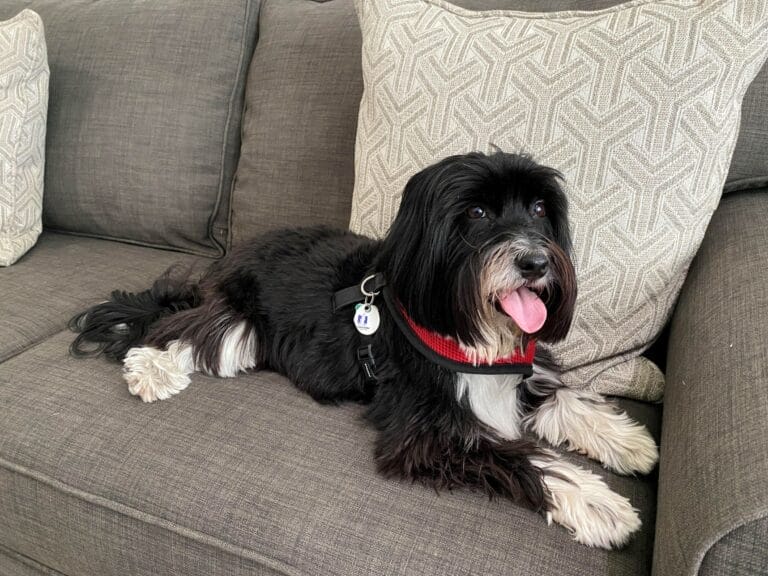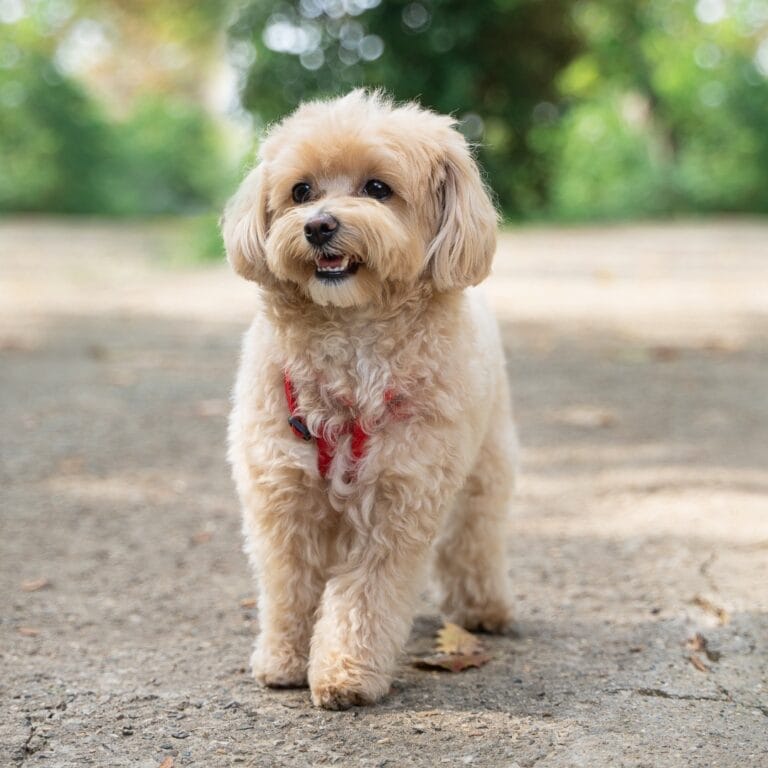
Havanese dogs are affectionate, intelligent companions, but good manners do not arrive automatically with their friendly personalities. Puppies need help learning where to toilet, how to greet people, and how to feel comfortable in unfamiliar situations. Adult dogs also benefit from clear routines and patient practice, especially when learning new household rules.
Training your Havanese improves their behavior and strengthens your bond together.
- Start training in quiet environments to help your Havanese focus without distractions.
- Use immediate positive reinforcement, such as treats, to reward desired behaviors effectively.
- Establish consistent routines for feeding, toilet breaks, and play to minimize confusion.
- Introduce socialization gradually, rewarding calm behavior to build your dog's confidence with new experiences.
The most useful approach is straightforward: reward the behavior you want, make lessons manageable, and increase difficulty gradually. Because Havanese can be sensitive and strongly attached to their people, training should build confidence rather than rely on harsh corrections. This guide answers common questions and gives you a practical starting point, from the first days at home to more reliable everyday obedience.
What Should You Know Before Training a Havanese?
Your Havanese’s sociability and eagerness to engage can make training enjoyable. Those same qualities can also mean distractions are compelling: a visitor, another dog, or an interesting sound may temporarily matter more than your cue. Begin in quiet surroundings rather than expecting immediate success everywhere.
Temperament also varies between individuals. Use your dog’s responses to guide the pace. A confident puppy may investigate something new readily; a hesitant one may need more distance and a slower introduction.
What can a breeder tell you about early learning?
Ask about the puppy’s routines, handling experiences, interactions with littermates, and exposure to everyday sights and sounds. Information about health checks and vaccinations also helps you plan the transition home.
Litter photographs can show changes in activity and interaction, but they are not a substitute for discussing behavior with the breeder. Ask what the puppy does in different situations, rather than choosing solely from an appealing photograph. Build on familiar routines where practical, then introduce your household expectations consistently.
When and How Should Training Begin?
Begin with simple learning opportunities as your dog settles into your home. You do not need a demanding timetable: daily routines already offer chances to reward calm behavior, introduce cues, and establish toilet habits.
What should the first priorities be?
- A predictable routine: Keep feeding, bathroom breaks, play, and rest reasonably consistent.
- A shared household approach: Agree on cue words and rules so different people do not teach conflicting expectations.
- Brief lessons: Start with sessions of about five to ten minutes, shortening them if attention fades.
- Prompt rewards: Reward the desired action immediately so your dog can connect the behavior with the outcome.
- Manageable surroundings: Teach new skills somewhere quiet before adding distractions.
Think of training as several small successes throughout the day, not one long test. For a broader review of avoidable problems, including inconsistent expectations, see the guide to mistakes to avoid when raising a Havanese 10 Mistakes to Avoid in Raising a Havanese.
What Training Method Works Best for a Havanese?
Positive reinforcement should be the foundation. Treats, praise, toys, and attention can reward behavior you want repeated. Choose something your dog values in that moment, and deliver it promptly.
For example, if you want a calm greeting, reward your dog while all four paws are on the floor. If you want your dog to toilet outdoors, reward immediately after they finish in the designated place. Clear timing makes the lesson easier to understand.
When unwanted behavior happens, consider what your dog needs to do instead. Redirect mouthing toward a chew toy, simplify a difficult exercise, or move away from an overwhelming distraction. Avoid harsh corrections that can increase anxiety or confusion. For help applying rewards consistently, read the positive reinforcement guide How to Use Positive Reinforcement for Havanese Training.
Do you need a clicker?
A clicker is an optional training tool, not a requirement. It can provide a consistent signal to identify the action you are rewarding. Whether you use one or rely on praise, the important point is clarity: your dog needs to understand which behavior earned the reward. If you want to explore that approach, the Havanese clicker-training guide explains the method Clicker Training for Havanese Dogs.
How Do You Potty Train a Havanese Puppy?
Potty training depends on frequent opportunities, close observation, and immediate rewards. Young puppies have limited bladder control, so arrange the day around their needs rather than waiting for an accident.
- Choose a toilet area. Take your puppy to the same outdoor location to help establish a familiar routine.
- Offer frequent breaks. Initially, breaks every one to two hours may be needed while awake. Adjust to your puppy rather than treating that interval as a guarantee.
- Use natural transition points. Go out after waking, eating, drinking, and playing.
- Watch for signals. Sniffing, circling, or restlessness can mean another break is needed.
- Reward the right result. Praise and reward promptly after your puppy toilets in the chosen place.
Can a crate help?
A properly sized crate can support the routine because dogs generally avoid soiling their sleeping area. It does not replace bathroom breaks or compensate for a schedule that asks too much of a young puppy. Treat it as one management tool, not a shortcut to bladder control.
What if your puppy hesitates outdoors?
Cold weather or unfamiliar surroundings may make outdoor toileting less appealing. Keep the experience calm and reward success generously. If accidents continue, review the timing of breaks and your puppy’s signals before assuming the dog understands the routine and is choosing to ignore it.
Which Commands Should You Teach First?
Start with a few useful cues: sit, down, come, and stay. Teach them separately before expecting your dog to combine them. Use the same words consistently, and make the first versions easy enough for your dog to succeed.
How do you build a reliable response?
- Begin nearby: Practice where your dog can easily notice you.
- Reward the correct action: Make the connection between the cue, behavior, and reward clear.
- Repeat in short sessions: Stop before either of you becomes frustrated.
- Add difficulty gradually: A cue learned in a quiet room still needs practice elsewhere.
For “stay,” begin with a brief pause while you remain close. For “come,” start over a short distance without competing distractions. Once these are comfortable, extend the task a little at a time.
If your dog stops responding, reduce the difficulty. More distance, a longer wait, and a busier setting should not all arrive together.
How Do You Socialize a Havanese Without Overwhelming Them?
Socialization means helping your dog become comfortable with different people, animals, environments, sights, and sounds. It is not simply arranging as many greetings as possible. The quality of each experience matters.
Start with manageable situations and reward calm engagement. Introduce unfamiliar people gradually, choose calm dogs for controlled interactions, and allow your Havanese time to observe. If an experience appears overwhelming, reduce its intensity rather than pushing through.
- Begin with quieter versions of places you eventually want to visit.
- Keep early outings brief enough for your dog to remain comfortable.
- Reward relaxed attention and appropriate behavior.
- Continue positive exposure beyond puppyhood.
Ask your veterinarian how to balance your puppy’s vaccination needs with suitable early experiences. For a more detailed sequence of introductions, use the step-by-step Havanese puppy socialization guide How to Socialize Your Havanese Puppy: Step-by-Step Guide for Confident Dogs.
How Should You Handle Common Behavior Problems?
Before responding, look at what happens just before and after the behavior. Is your dog seeking attention, reacting to something unfamiliar, needing an outlet, or finding the situation difficult? The answer helps you choose a useful alternative rather than repeatedly correcting the symptom.
What if your Havanese jumps on people?
Teach a greeting rule everyone can follow: attention arrives when four paws are on the floor. Pause the greeting when jumping starts, then reward the calmer alternative. Consistency matters because occasional attention for jumping can make the lesson unclear. For a focused greeting plan, see how to stop a Havanese from jumping on people How to Stop a Havanese From Jumping on People.
What about mouthing and chewing?
Puppies explore with their mouths. Redirect nipping toward an appropriate chew toy and avoid encouraging rough play that conflicts with your expectations. For furniture chewing, provide an acceptable alternative and review when the behavior occurs so you can manage those situations more effectively.
How do you approach barking?
Identify the trigger rather than treating every bark as the same problem. Notice whether barking happens around visitors, outside activity, or separation. Reduce overwhelming exposure where possible and reward an appropriate alternative, such as calm attention to you. The broader guide to common Havanese behavior problems can help organize your observations Solving Common Behavior Problems in Havanese Dog: A Guide to a Well-Behaved Companion.
How can you encourage independence?
Introduce brief, manageable separations and increase them gradually as your dog remains comfortable. Predictable routines can help, but do not assume every difficulty being alone is simply disobedience. If your dog appears distressed, seek individualized guidance rather than making absences longer to force adjustment.
What Comes After Basic Obedience?
Advanced training usually starts by making familiar skills more reliable. You can gradually add duration, distance, or distractions, then introduce combinations such as “come” followed by “down.” Hand signals can also accompany verbal cues.
Practice useful impulse-control exercises, such as waiting briefly before a meal or at a doorway. Keep expectations achievable and continue rewarding success. Longer sessions are not automatically better; your dog’s engagement should determine when to stop.
Mental activities also provide variety between formal lessons. Finding hidden treats or playing a simple “which hand” game gives your Havanese another way to engage with you. For additional ideas, explore these mental-stimulation activities Keep Your Dog Mentally Stimulated: Simple Tips & Tricks.
What If Training Progress Stalls?
A difficult session is information, not proof that your dog is stubborn. Review the environment, reward, session length, and size of the step you are asking for. Return to an easier version and rebuild from success.
The same principle applies on walks. A dog who suddenly stops may be distracted, uncertain, tired, or uncomfortable; the behavior alone does not explain the cause. The guide to a Havanese’s stop-and-stare habit explores that distinction Why Does My Havanese Suddenly Refuse to Walk? Understanding the Stop-and-Stare Habit. Sudden or persistent behavioral changes warrant veterinary advice, especially when discomfort may be involved.
Successful Havanese training is a continuing conversation: set clear expectations, notice your dog’s responses, and adjust the lesson accordingly. Consistent routines, well-timed rewards, and gradual challenges give both puppies and adults a practical path toward confident, cooperative everyday behavior.
- About the Author
- Latest Posts

Sara is a passionate writer and an avid lover of Havanese dogs. With several years of experience in dog training, breeding, and care, she has developed a deep understanding and admiration for the Havanese breed. Sara’s mission is to provide valuable insights, resources, and tips to help Havanese dog owners provide the best possible care and nurturing for their beloved pets.