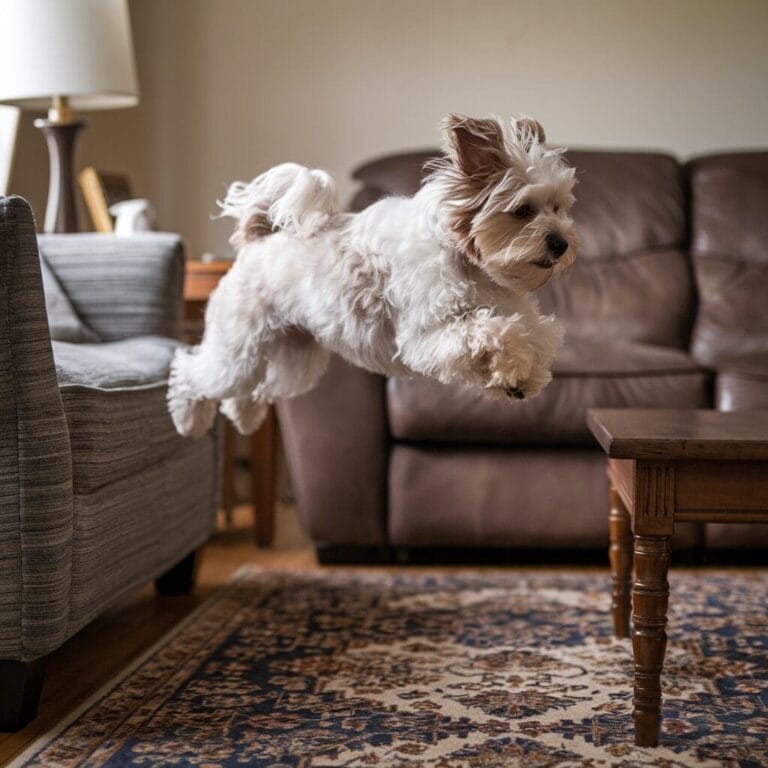
Training a Havanese works best when you combine clear expectations with patience, rewards, and a predictable routine. These affectionate, intelligent companion dogs often enjoy working with their people, but their sensitivity makes the way you teach just as important as the skill itself. Harsh corrections can create confusion or anxiety; consistent, positive guidance gives your dog a clearer path to success.
Whether you are preparing for a puppy or helping an adult dog build better habits, start with everyday needs: toileting, responding to simple cues, settling, and feeling comfortable in different situations. This guide answers common Havanese training questions and shows how to turn those answers into practical steps.
What Should You Know Before Training a Havanese?
Are Havanese dogs easy to train?
Havanese are intelligent and often eager to please, which can make them enthusiastic learners. That does not mean every lesson will be effortless. Curiosity, distractions, excitement, and short attention spans can interrupt training, particularly during puppyhood.
Work with the dog in front of you rather than expecting a breed trait to guarantee results. If your Havanese struggles, make the task easier, choose a quieter location, or shorten the session. Successful repetitions matter more than pushing through a difficult lesson.
Does training start before your puppy comes home?
A breeder’s early handling and socialization practices help shape a puppy’s introduction to people and everyday experiences. Ask about health checks, vaccinations, routines, and opportunities for appropriate interaction.
The source material describes a breeder-documented “Birdie Litter,” with photographs showing puppies exploring, playing, and interacting with littermates. Such records can start useful conversations, but photographs alone cannot establish a puppy’s temperament or the quality of its upbringing. Ask what experiences the puppies have actually had and how they responded.
What Should You Teach First?
Begin with a routine, not a long list of commands
Your first priority is making daily life understandable. Establish consistent opportunities for meals, bathroom breaks, play, training, and rest. A routine helps you anticipate your puppy’s needs and gives you repeated chances to reward appropriate behavior.
- After waking: Offer a bathroom break before starting other activities.
- Around meals: Keep feeding times predictable and plan toileting opportunities afterward.
- During active periods: Alternate play with brief lessons and bathroom breaks.
- During quieter periods: Allow time for rest rather than filling every moment with activity.
Keep household expectations consistent. Decide, for example, how greetings should happen and which objects are appropriate to chew. Conflicting responses from different people make those lessons harder.
How long should training sessions last?
Start with sessions of about five to ten minutes, shortening them if your puppy loses interest or becomes frustrated. Several brief opportunities throughout the day can fit naturally into your routine.
Practice a familiar cue, introduce a manageable challenge, and finish with something your dog can do successfully. Everyday moments count too: rewarding a calm greeting or a response to “come” is training, even outside a planned lesson.
How Do You Use Positive Reinforcement?
Reward the behavior you want repeated
Positive reinforcement means rewarding desirable behavior so your dog has a reason to offer it again. Treats, praise, and toys can all be useful, depending on what your Havanese enjoys in that situation.
- Choose one clear behavior to teach.
- Set up an easy opportunity for your dog to perform it.
- Reward promptly when the behavior happens.
- Repeat without adding difficulty too quickly.
Timing matters. If you reward a sit only after your puppy has jumped up again, the lesson becomes less clear. Keep rewards ready so you can acknowledge the behavior while it is happening. For a fuller explanation of reward selection and timing, see How to Use Positive Reinforcement for Havanese Training.
Should you use a clicker?
A clicker is an optional way to mark the moment your dog performs the desired behavior, followed by a reward. It can make your communication more precise, but you do not need one to begin training.
Choose a method you can use consistently rather than switching approaches whenever progress slows. If you want to explore this tool, the introduction to clicker training in Clicker Training for Havanese Dogs explains the approach in more detail.
How Do You Potty Train a Havanese?
Make the correct choice easy and rewarding
Young puppies have limited bladder control, so potty training depends heavily on your schedule and supervision. Begin with frequent outdoor opportunities, initially around every one to two hours, and adjust to your puppy’s needs rather than treating the clock as a guarantee.
Offer additional breaks after waking, eating, drinking, and playing. Watch for sniffing, circling, or restlessness, which may indicate that another trip is needed.
- Take your puppy to a consistent outdoor toileting area.
- Keep the visit focused so you can notice when elimination happens.
- Praise and reward promptly after your puppy finishes in the right place.
- Continue supervising indoors and offer another opportunity when needed.
Do not wait until you return indoors to give the reward. Rewarding at the toileting spot makes the connection clearer.
Can a crate help?
A properly sized crate can support a toileting routine because dogs generally avoid soiling their sleeping area. However, a crate does not increase a puppy’s bladder capacity or replace frequent bathroom breaks.
Use it as one part of your management plan, not as a way to stretch the time between outings beyond what your puppy can handle.
What if your puppy has accidents or dislikes going outside?
Review the pattern before assuming your puppy is being difficult. Were breaks too far apart? Did an accident follow a meal or active play? Did you miss early signs?
Cold weather or an unfamiliar outdoor area may also cause hesitation. Keep the routine predictable, be patient, and reward outdoor success generously. Respond to setbacks by improving supervision and timing rather than using harsh corrections.
How Do You Teach Basic Obedience?
Start with sit, down, come, and stay
Choose a quiet place with few distractions. Use the same cue consistently, reward successful responses, and work on one manageable element at a time.
- Sit: Reward your dog when their bottom reaches the floor. Keep the lesson focused on that simple action.
- Down: Practice separately from sit so your dog learns that the words describe different positions.
- Come: Begin nearby in an easy setting and reward your dog for approaching you.
- Stay: Begin with a very brief pause before adding longer waits or greater distance.
A response learned in a quiet room may not transfer immediately to a busy environment. If your dog struggles somewhere new, reduce the difficulty and rebuild success there.
How do you make cues more reliable?
Increase duration, distance, and distractions gradually rather than changing all three together. For example, extend a stay while remaining close before expecting your dog to hold it from farther away.
Hand signals can accompany verbal cues and provide another familiar form of communication. Keep gestures consistent. Avoid repeatedly making the task harder when your dog is already confused; return to an easier version and reward that response.
How Should You Socialize a Havanese?
What does useful socialization look like?
Socialization involves positive introductions to people, animals, places, sights, and sounds. The goal is a comfortable, adaptable dog, not a dog that must interact with everyone.
Start with manageable experiences. A calm meeting with a familiar dog or a brief visit to a quiet new place may be more useful than a crowded outing that overwhelms your puppy. Ask your veterinarian which settings are appropriate for your puppy’s vaccination status.
- Introduce unfamiliar people gradually.
- Choose controlled interactions with calm dogs.
- Reward comfortable behavior around new sights and sounds.
- Reduce the intensity if your dog becomes worried or overexcited.
For help organizing these experiences into a gradual plan, follow the puppy socialization guide in How to Socialize Your Havanese Puppy: Step-by-Step Guide for Confident Dogs.
Does socialization stop after puppyhood?
No. Continue providing positive experiences as your Havanese matures. New locations, people, and routines may still need a gentle introduction. Familiarity in one setting does not mean your dog will immediately feel comfortable everywhere.
What Should You Do About Common Behavior Problems?
Jumping during greetings
Teach a clear alternative: attention arrives when all four paws are on the floor, while jumping makes the greeting pause. Ask household members and visitors to respond consistently so jumping does not sometimes produce an enthusiastic welcome.
The practical greeting plan in How to Stop a Havanese From Jumping on People explains how to teach this without scolding your dog for being excited.
Mouthing and chewing
Puppies explore with their mouths. Redirect mouthing toward an appropriate chew toy and keep rough play from escalating. For furniture chewing, notice when it happens and make suitable alternatives available.
Reward your dog for choosing those alternatives. Simply interrupting the unwanted behavior does not explain what you would prefer instead.
Barking and difficulty being alone
Look for patterns before choosing a response. Does barking happen during greetings, around unfamiliar sounds, or when your dog is left alone? Different situations may require different changes to the environment and training plan.
Introduce independence through brief, manageable separations rather than assuming your companion dog will immediately be comfortable alone. Persistent distress deserves individualized support; do not treat it as disobedience. For a broader overview of barking, chewing, and separation-related challenges, see Solving Common Behavior Problems in Havanese Dog: A Guide to a Well-Behaved Companion.
Stopping on walks
A Havanese that plants their feet is not necessarily being stubborn. Distraction, uncertainty, tiredness, or discomfort may be involved. Notice what happens before the stop instead of automatically increasing pressure on the leash.
The stop-and-stare guide in Why Does My Havanese Suddenly Refuse to Walk? Understanding the Stop-and-Stare Habit explores how to interpret this behavior. If you suspect discomfort or illness, seek veterinary advice rather than treating the issue solely as a training problem.
What Comes After the Basics?
Add useful challenges and mental activity
Once familiar cues are reliable, combine skills gradually. Practice “come” followed by “down,” add a short wait before meals, or extend a stay in small increments. Keep sessions brief and reduce difficulty when accuracy drops.
Training can also include simple brain games, such as finding hidden treats or choosing which hand holds a reward. For more enrichment ideas, explore Keep Your Dog Mentally Stimulated: Simple Tips & Tricks. These activities offer variety without turning every interaction into an obedience test.
How do you know your plan is working?
Look for gradual improvements: fewer toileting accidents, easier responses in familiar settings, calmer greetings, or greater comfort with new experiences. Note where your dog succeeds and where extra support is needed.
If progress stalls, review your timing, expectations, environment, and household consistency. The common pitfalls discussed in 10 Mistakes to Avoid in Raising a Havanese can help you assess your approach.
The goal is not perfect performance in every situation. It is clearer communication and dependable everyday habits. Build those habits through manageable steps, prompt rewards, and patient repetition, giving your Havanese a fair opportunity to succeed.
- About the Author
- Latest Posts

Sara is a passionate writer and an avid lover of Havanese dogs. With several years of experience in dog training, breeding, and care, she has developed a deep understanding and admiration for the Havanese breed. Sara’s mission is to provide valuable insights, resources, and tips to help Havanese dog owners provide the best possible care and nurturing for their beloved pets.