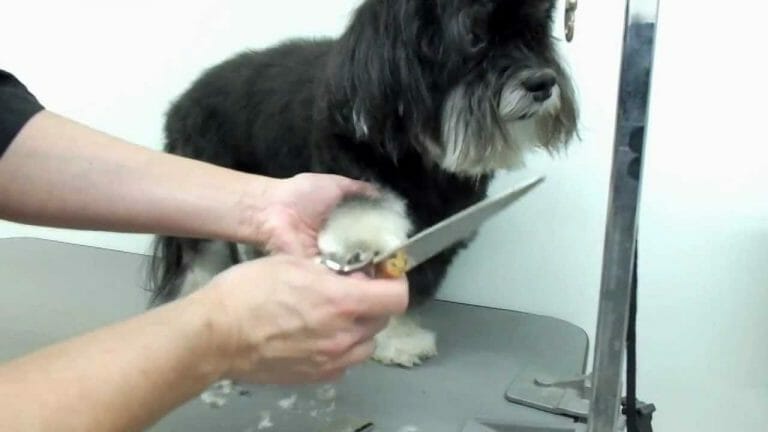
The brush comes out, and your Havanese is suddenly very interested in what’s happening in another room. Or he pulls his paw away the moment you reach for the nail clippers. If your Havanese hates grooming, it’s tempting to think he’s being stubborn. More often, he’s telling you that something about grooming feels uncomfortable, scary or simply too much.
Quick Answer
To build grooming cooperation:
- Practice when you don’t need to finish a grooming job, in sessions of just a minute or two.
- Start with an area your dog already accepts, then work slowly toward paws, ears, face and tail.
- Pair each small, manageable step with a high-value treat.
- Introduce brushes, clippers and grinders separately from actual grooming.
- Stop at the first stress signal, and never hold a struggling dog down.
- Get help from a groomer or vet for tight mats, overdue nails or sudden resistance.
Cooperation is a skill you can build, not a battle you have to win. The goal isn’t to finish every grooming job in one sitting. It’s to make care comfortable enough that your dog can handle it again tomorrow.

Why Your Havanese Hates Grooming
Some dogs are especially sensitive about having their paws, ears, face or tail touched. A tool’s sound or vibration can be unsettling, too. Your Havanese may be fine with brushing on his back but tense up when you approach his feet. That difference is useful information: it points to a specific part of the routine to work on.
Past experiences can also shape a dog’s response. A painful tangle, a nail trim that caught the sensitive inner part of the nail, or an unfamiliar bath setup may make your dog wary next time. Even without one obvious bad experience, repeated handling that feels unpredictable can lead to avoidance.
Mats add another challenge. When a brush catches a tangle and pulls at the skin, brushing hurts. A dog who has learned to expect that tug may dodge the brush before you’ve even touched his coat. Avoiding a painful mat isn’t misbehavior; from his point of view, it’s a sensible response.
Notice Stress Before It Escalates
Dogs often give small signals before they struggle, growl or snap. Watch for turning away, pulling a paw back, freezing, repeated lip licking or moving away. These are common signs of Havanese grooming anxiety. A wagging tail alone doesn’t tell you that a dog is comfortable, so look at his whole body and what he does when you pause.
If you see a warning sign, stop what you’re doing and give your dog space. Growling or snapping means the dog needs a change in the situation, not punishment for communicating. Punishing a warning can make handling less safe, because it discourages the signal without making the underlying fear or discomfort go away.
Notice what happened just before your dog reacted. Was it a particular body area, the sound of a tool, your hand reaching over his head, or a session that went on too long? That clue can help you make the next practice easier.
Build Comfort With Touch and Tools
Start With Easy Touches
Practice when you don’t need to complete a grooming job. A few relaxed seconds are more useful than waiting until your dog is tangled or his nails are overdue.
Begin with an area your Havanese already tolerates, such as a shoulder. Briefly touch him, offer a high-value treat and stop. If he stays relaxed, repeat a few times. Gradually work toward more sensitive areas: legs, paws, ears, face and tail. Make only one change at a time. For instance, move from touching a paw to briefly holding it, rather than jumping straight to trimming a nail.
Pair each manageable step with a treat your dog especially likes. The treat helps him form a positive association with the touch. It shouldn’t be used to lure him into a step he’s clearly trying to avoid. If he tenses, pulls away or stops taking food, make the next attempt shorter, gentler or farther from the sensitive area.
Introduce Tools Separately
Introduce grooming tools apart from grooming itself. Let your dog see and sniff a brush or comb, then reward calm interest. Next, hold it near him without touching his coat. Later, try one gentle stroke on an easy-to-reach area.
For clippers or a nail grinder, begin with the tool switched off. If your dog stays comfortable, gradually introduce its sound from a distance, then bring it closer over later sessions. Don’t assume that tolerating the tool across the room means he’s ready for it on his body.
Keep practice brief and frequent, often just a minute or two. Stop while your dog is still doing well. Ending on a calm moment makes it easier to start again.
How to Calm a Havanese During Grooming
Choose a familiar, quiet place and gather your supplies before you begin. A non-slip surface can help your dog feel steadier. Work on one small task at a time: a few brush strokes, one paw-handling practice or a brief face-cleaning exercise.
A lick mat or another suitable food reward can keep a dog happily occupied during easy handling. It’s a support, not a way to hold him in place or distract him through panic. Keep an eye on his body language, and give him room to move away.
Teach a “Start Button”
A start-button behavior is something your dog offers to signal that he’s ready to begin. For example, place a towel on the floor and reward your dog for resting his chin on it. Once he understands the cue, do one brief, easy grooming step while his chin stays down. Pause if he lifts his head or moves away, and resume only when he chooses to come back. This makes the routine more predictable and helps you notice when he needs a break.
Not every dog will use a chin rest, and it’s fine to start with something simpler: offer a hand for a sniff, wait for your dog to approach, then touch briefly and reward. The point is to let your dog participate rather than surprise or corner him.
This short tutorial shows how to teach a chin rest step by step:
Brush the Coat Without Making Mats Worse
Regular, gentle coat care keeps tangles from turning into painful mats. Line brushing is a practical way to make sure you’re reaching the hair near the skin, rather than smoothing only the top layer. Part the coat into small sections, brush a little hair at a time and work methodically from one area to the next. Follow with a comb to check that it passes through the coat. A smooth-looking surface can still hide tangles underneath.

Use a brush and comb suited to your dog’s coat, and keep your touch gentle. If the comb catches, don’t yank it through. Ease the hair around the tangle carefully, and stop if your dog shows discomfort. Tight mats, especially those close to the skin, can be hard to remove without pain. Don’t try to cut them out with scissors, because a dog’s skin can be pulled up into a mat and cut by mistake. Ask a qualified groomer or veterinarian for help, or see our guide on how to remove mats from a Havanese safely.
If brushing has already become a struggle, don’t begin with the toughest tangle. Practice a few strokes on an easy area, reward your dog and stop. The coat still needs care, but making every session painful or frightening won’t make the next one easier.
Face, Bath and Nail Care: Keep the Steps Small
Face and Eye Area
Start with the cloth, cotton pad or other item you plan to use resting nearby. Reward your dog for looking at it or sniffing it. Then practice a brief touch on the cheek or another area away from the eye. When your dog is comfortable, work gradually toward the area that needs cleaning. Use products only as directed, and ask your veterinarian about persistent discharge, redness or irritation.
Baths
Baths are easier to practice in pieces, too. Let your dog investigate the empty tub or bathing area, then reward him and leave. Later, practice standing there briefly, followed by the sound of running water at a distance. Use a non-slip surface and a comfortable water temperature. If your dog becomes frightened, go back to an easier step instead of trying to power through. Our step-by-step guide to safely bathing your Havanese covers the rest of the routine.
Nails
Separate paw handling from tool practice. Reward your dog for letting you touch a paw, then for briefly holding it. Let him see the clippers or grinder while it’s off, and reward calm behavior. When he’s ready, try a tiny amount of nail work, such as trimming a very small tip or briefly touching the grinder to one nail, then stop.
A grinder’s sound and vibration can worry some dogs, while others dislike the pressure of clippers. Choose the tool your dog can learn to tolerate, and be careful of the quick, the sensitive area inside each nail.
If Your Havanese Won’t Let You Brush or Trim Nails
Step back to the last part of the routine your dog could handle calmly. If brushing is a no, that might mean rewarding a touch on the shoulder or letting him sniff the brush without using it. If your Havanese refuses nail trimming, practice paw touches and the sight or sound of the tool separately. Work on an easier body area or a different paw if that helps.
Don’t hold a struggling dog down or try to finish at any cost. Panic, escalating resistance or a risk of injury are all reasons to stop. If a coat or nail problem can’t wait for training to progress, arrange help from a qualified groomer or veterinarian rather than forcing a home session.
Choose Help That Puts Comfort First
Ask a prospective groomer how they handle fearful dogs, whether they allow gradual introductions and what they do when a dog needs a break. Look for a patient approach that takes the dog’s reactions seriously, rather than a promise to finish every service regardless of distress. A groomer may be able to help with a difficult coat or nail job while you keep building comfort at home. For puppies, our calm-handling checklist for first vet and grooming visits can help you start off right.
Talk with your veterinarian if your dog’s resistance appears suddenly, if a particular area seems painful, or if you notice a skin, ear, paw or nail problem. Pain can make handling difficult, and training won’t fix a medical issue. If fear or handling struggles persist, or you’re worried someone could get hurt, ask your veterinarian about a qualified behavior professional who uses humane, reward-based methods.
Frequently Asked Questions
How often should I practice?
Try brief sessions most days, or as often as your dog can stay comfortable. A minute of relaxed practice is better than one long session that ends in a struggle.
My Havanese won’t let me brush him. Where do I start?
Go back to the easiest step he accepts calmly, such as sniffing the brush or a single stroke on his shoulder, and reward that. Short, easy wins rebuild trust faster than pushing through a full brushing session.
What if my dog walks away?
Let him go. Give him time, then make the next attempt easier: a less sensitive area, a shorter touch or a tool farther away. Reward voluntary participation rather than following him with the brush.
Will a lick mat or treats fix the problem?
They can support a positive experience, but they don’t replace careful handling or make pain disappear. If your dog stays tense, pause and change the step, or check with your veterinarian if discomfort may be involved.
What if progress is uneven?
That’s normal. Your dog may tolerate brushing one day and need an easier session the next. Keep practice safe, short and rewarding. Speed matters less than making grooming something he can face again. Even a Havanese who hates grooming today can learn to cooperate with patient, consistent practice.
- About the Author
- Latest Posts

Sara is a passionate writer and an avid lover of Havanese dogs. With several years of experience in dog training, breeding, and care, she has developed a deep understanding and admiration for the Havanese breed. Sara’s mission is to provide valuable insights, resources, and tips to help Havanese dog owners provide the best possible care and nurturing for their beloved pets.